DJI Agriculture · Spraying drones
DJI Agras T25P
Fly solo.
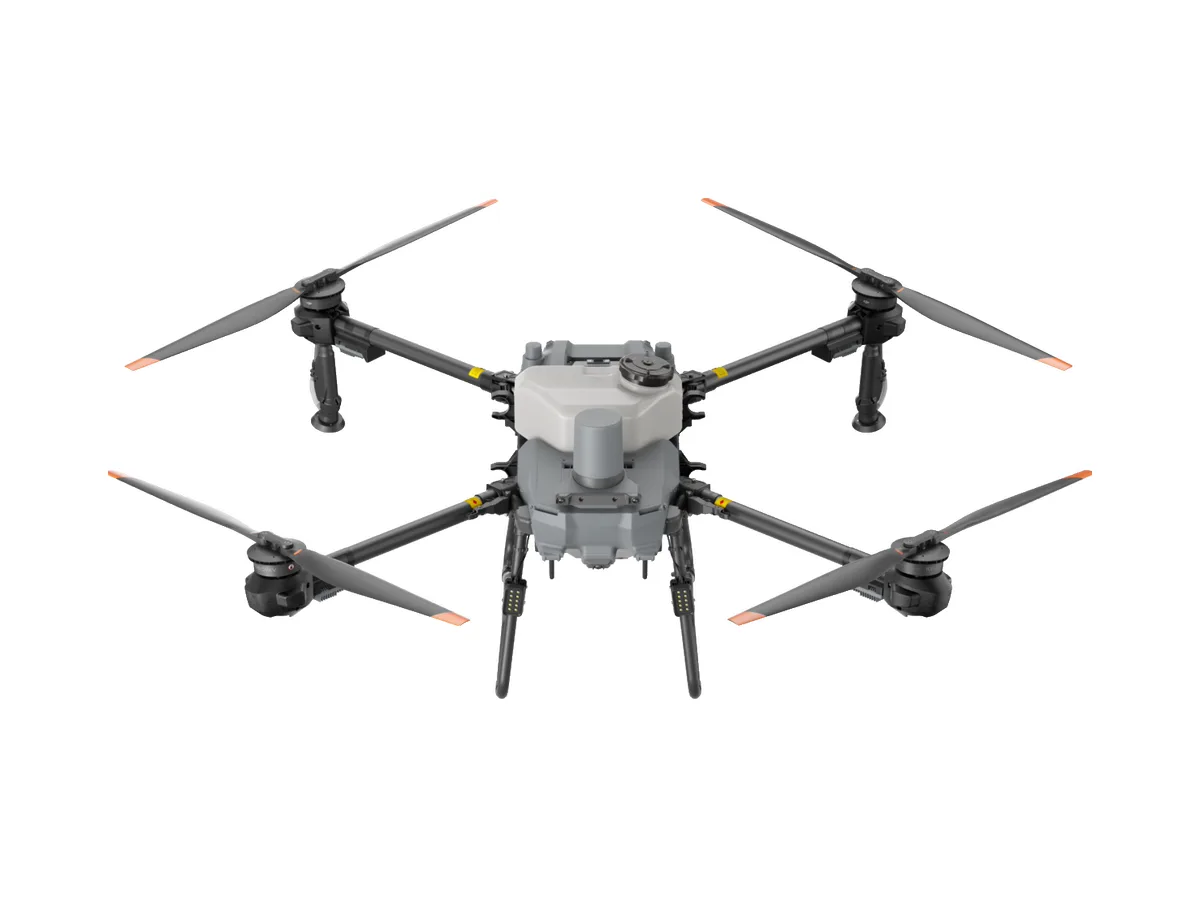
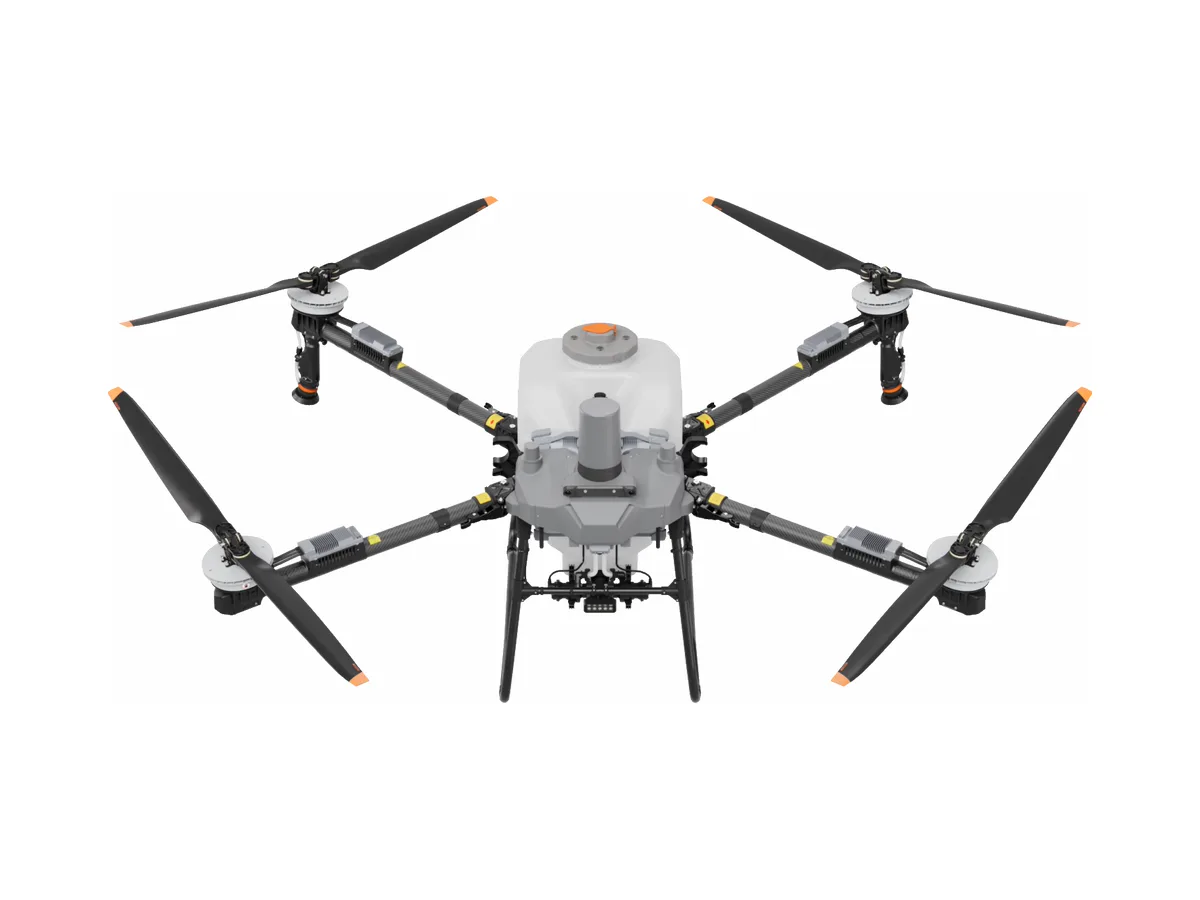
Compact, foldable design with 20 kg spraying, a 25 kg screw-feeder spreading system and Safety System 3.0 — ideal for solo operations.
- Spraying payload
- 20 kg
- Spreading payload
- 25 kg
Price €5,242 excl. VAT
Typical user
A solo operator who wants a compact, foldable drone.
Best for
Smaller or harder-to-reach plots, with easy transport and take-off.
What sets it apart
Compact, foldable design and a 25 kg spreading system with a screw feeder.
Fly Solo.
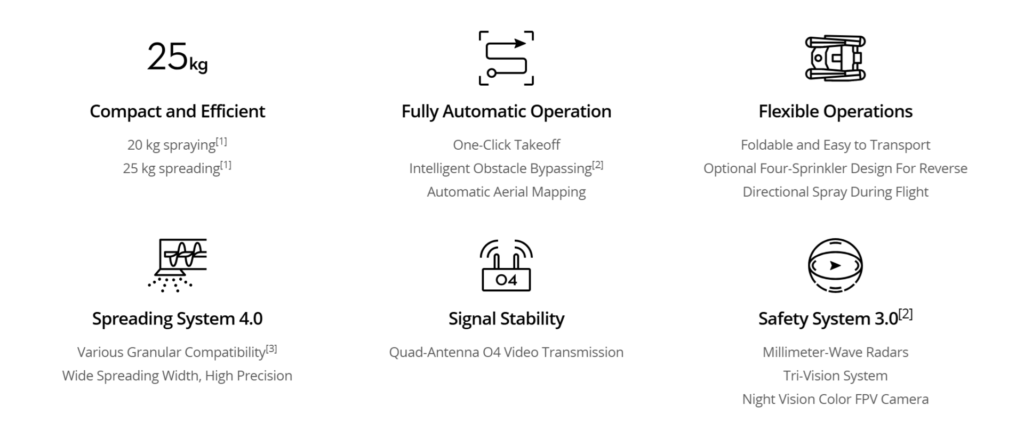
The DJI Agras T25P drone retains its compact, foldable design, featuring 20 kg spraying[1], an upgraded 25 kg[1] high-precision screw feeder spreading system 4.0, and Safety System 3.0[2]. It excels in aerial mapping and plant protection, offering flexible operations and convenient mobility, making it ideal for solo operations
A Drone For Solo Operations
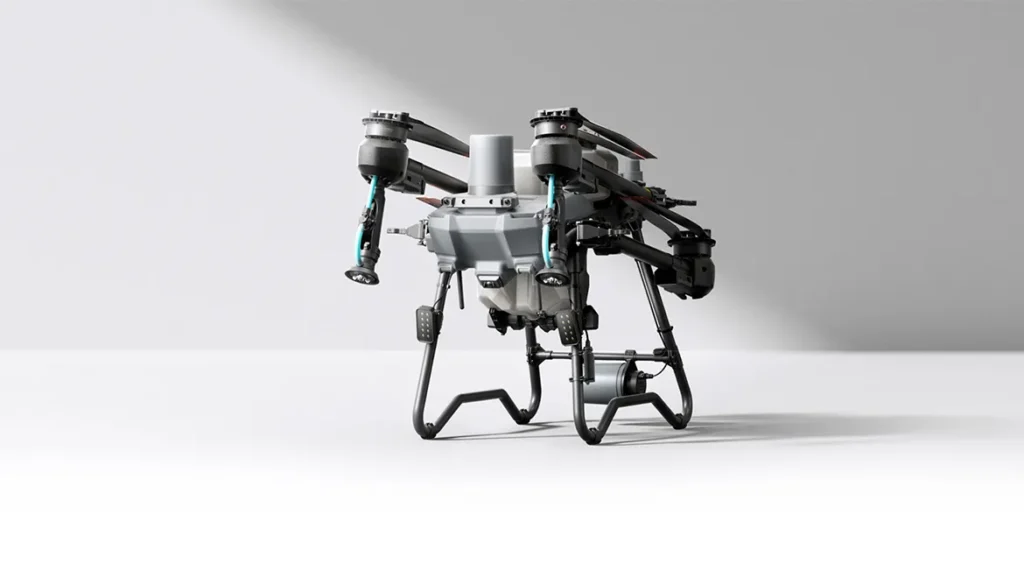
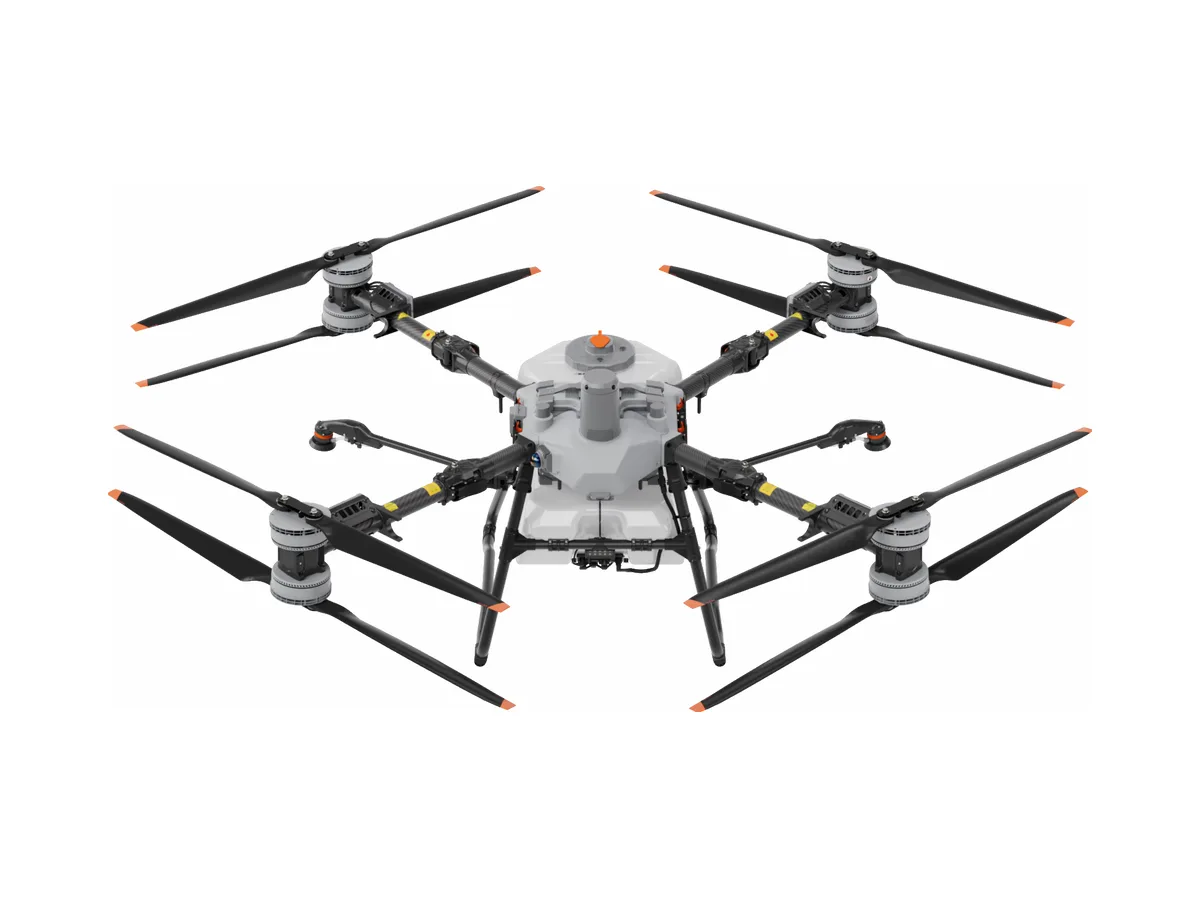
Agras T25P features a foldable design and a lightweight body tailored for solo operations, ensuring flexible mobility and easier takeoff and landing.
Multiple Scenarios
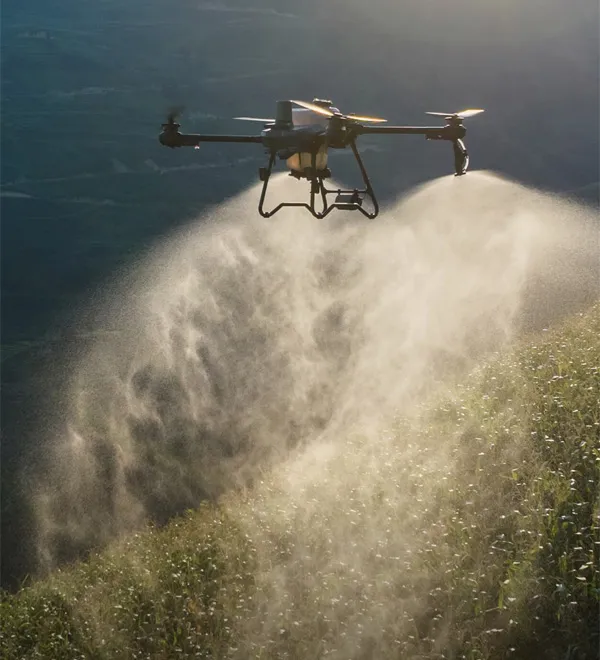
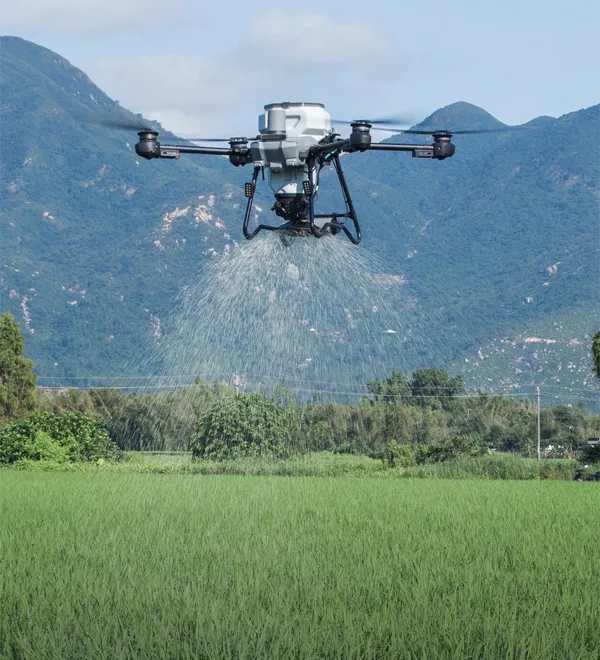
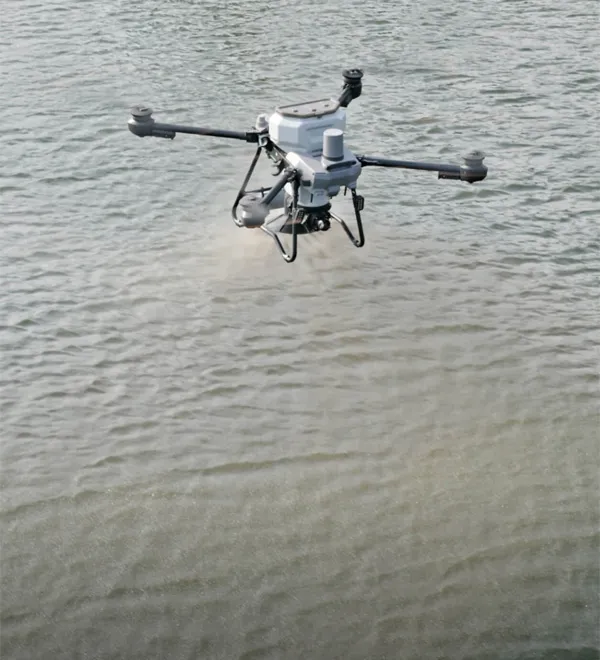
Spraying System
Efficient Operation, Outstanding Performance.
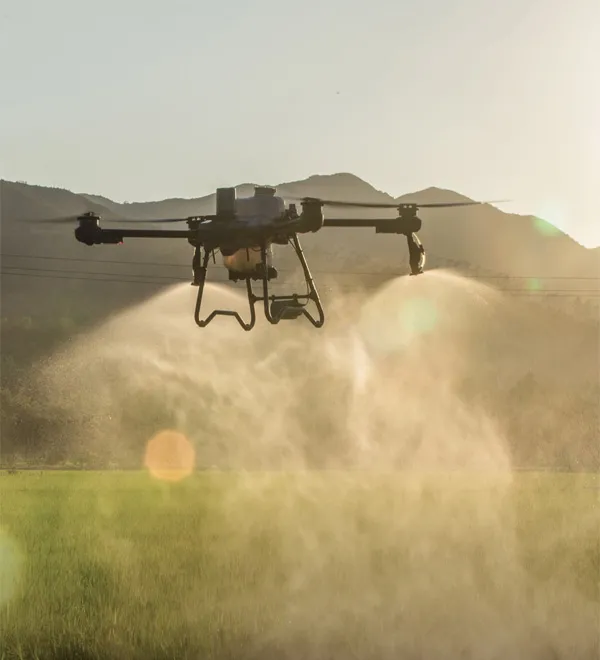
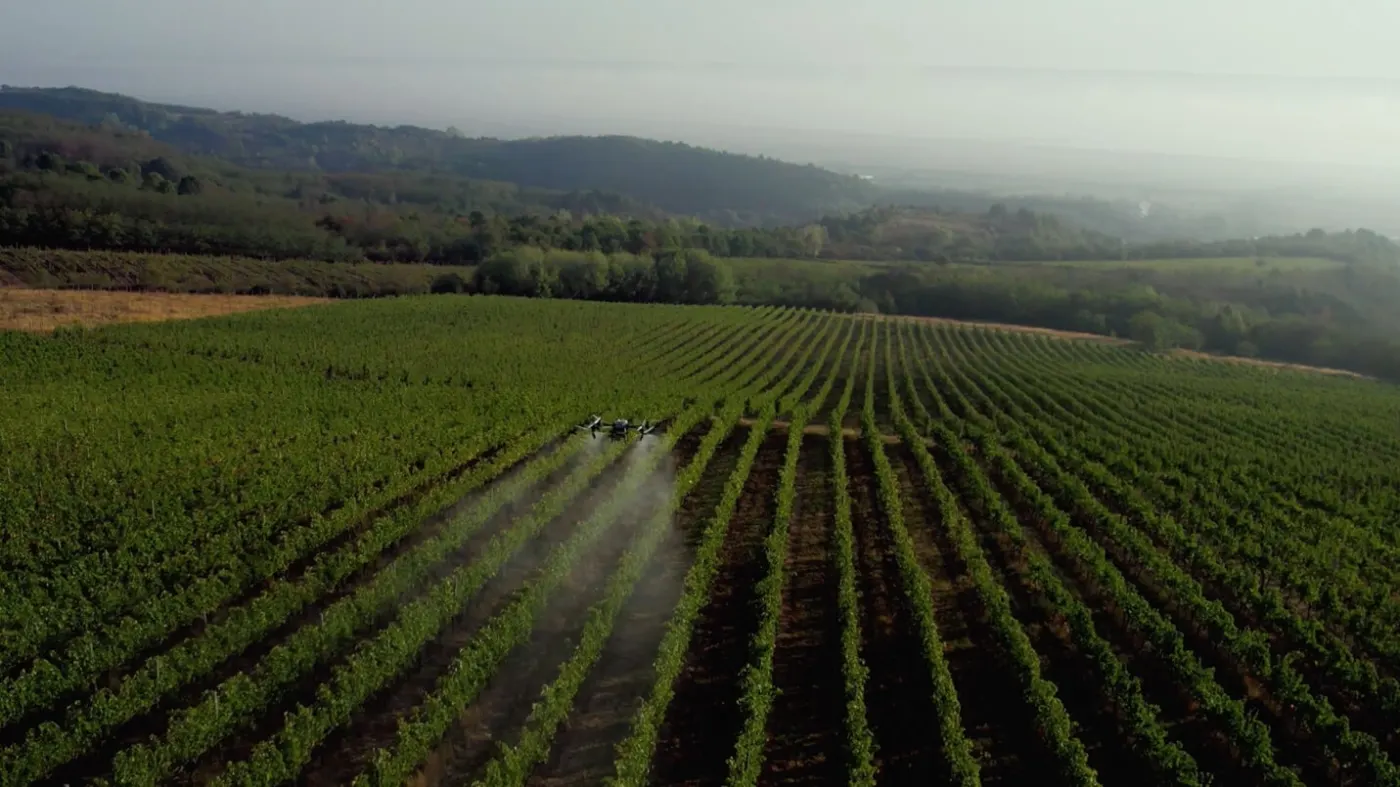
The dual atomization spraying system delivers a high flow rate of 16 liters per minute (with 2 sprinklers), ensuring fine and even droplets without leakage. An additional pair of centrifugal sprinklers can be added, increasing the flow rate to 24 liters per minute (with 4 sprinklers), suitable for operations demanding high-volume.

Magnetic Drive Impeller Pump
Liquid is completely isolated from the motor, ensuring zero corrosion, exceptional durability, quick disassembly, and convenient cleaning.
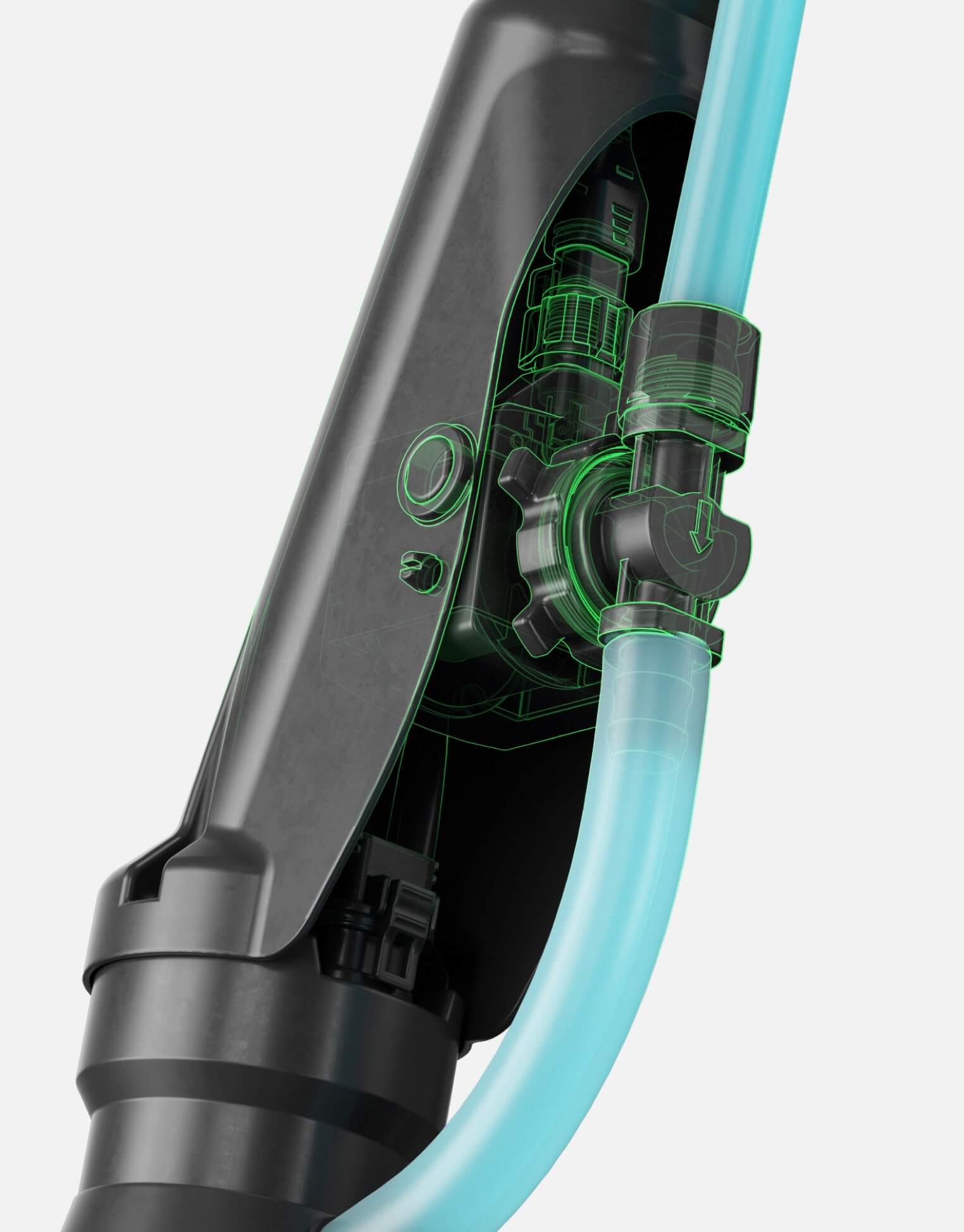
Precision starting and stopping eliminates leaking
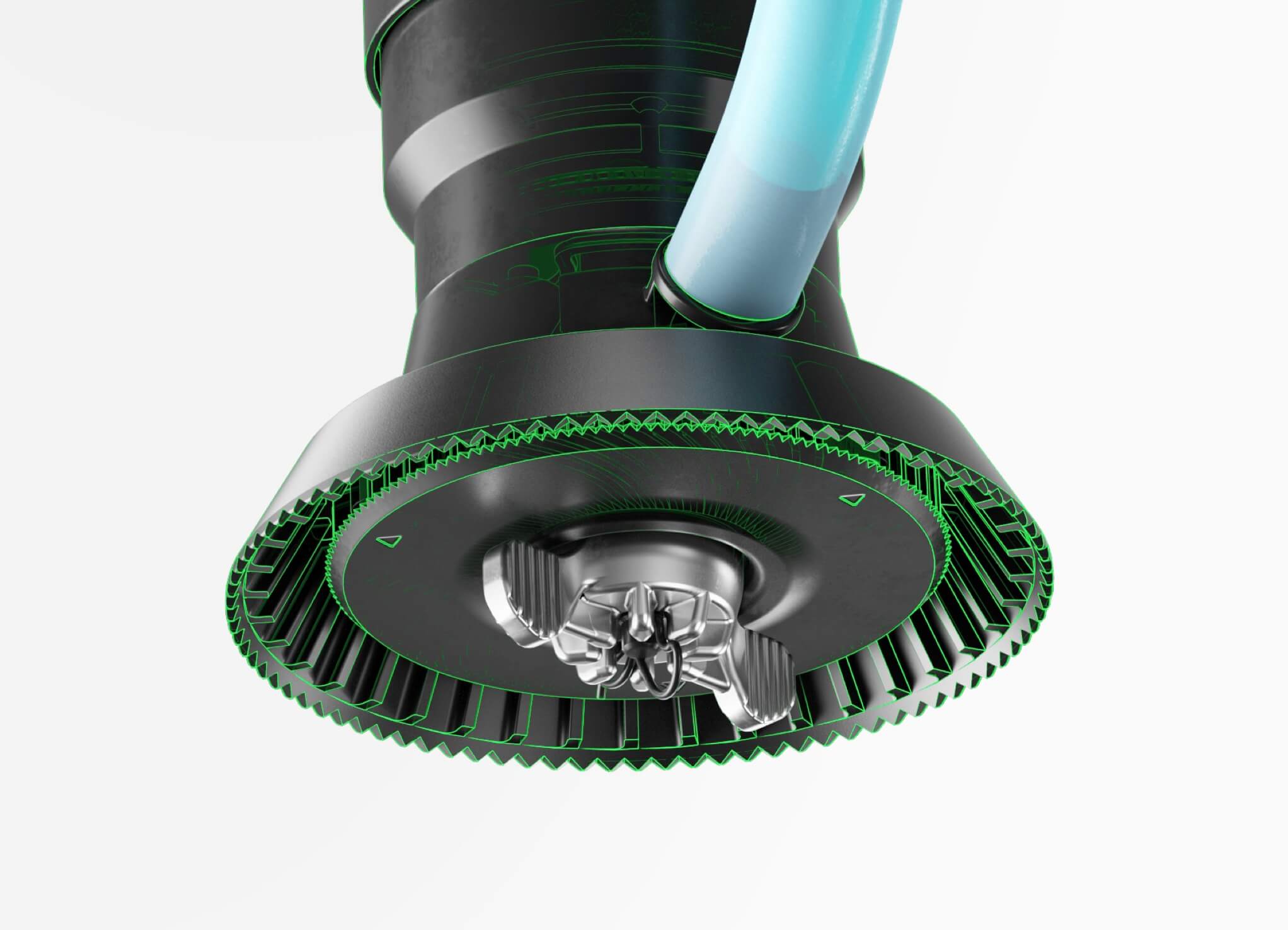
A dual atomizing spray disc structure increases its lifespan by 66%[4] and provides more uniform droplet sizes, for better spray effect.
Spreading System 4.0
High Precision Flow, Multiple Spreading Scenarios
The T25P spreading system offers an 8 m spreading width[5] and features a replaceable screw feeder for doubled flow precision[6] and enhanced adaptability, ideal for fields, mountains, aquaculture, and more.
Adaptable to Various Granulars[3]


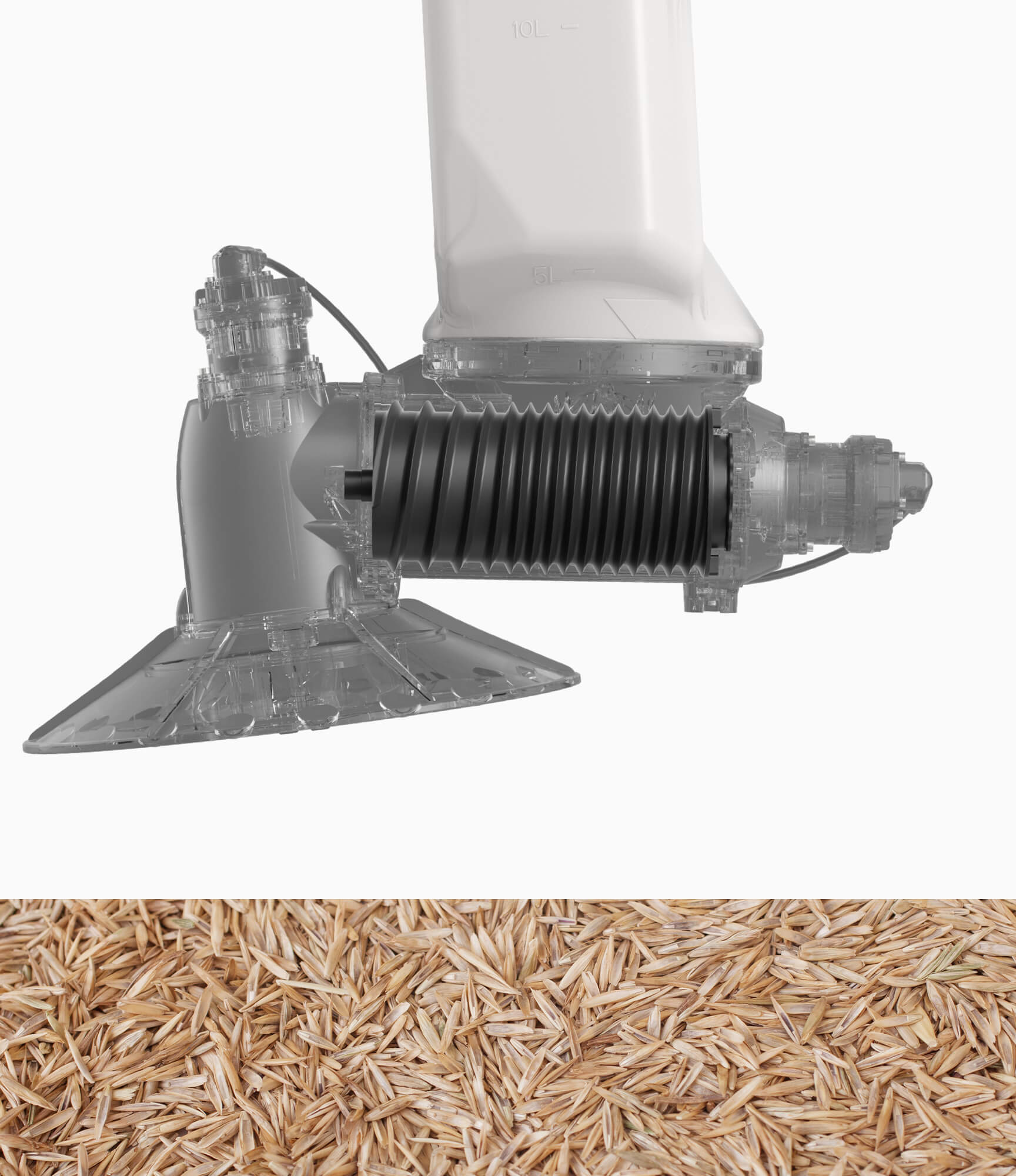
Large Feeder
Suitable for granulars such as fertilizers, wheat seeds, granular fungicides, feed, etc.
Recommended application rate: 75-750 kg per hectare.
Recommended particle size: 0.5-10 mm
Medium Feeder
Suitable for granulars such as rice seeds.
Recommended application rate: 22.5-120 kg per hectare.
Recommended particle size: 4-6 mm
Small Feeder
Suitable for granulars such as rapeseed, granular herbicides, grass seeds, granular insecticides, etc.
Recommended application rate: 3-22.5 kg per hectare.
Recommended particle size: 0.5-4 mm
High Flow, Fast Spreading
The new T25P spreading system supports a 25 kg payload[1] and a 30-liter capacity. It operates at speeds up to 10 m/s, with a spreading width of 8 meters[5] and a max flow rate of 190 kg/min.[7]
Precise and Uniformed Spreading
With a new centrifugal disc, the spreading system ensures uniform distribution with automatic calibration, real-time weighing, cloud-stored templates, and feeder matching for enhanced spreading flow accuracy.
Fast Disassembly and Cleaning
The spreader and feeder are easy to detach and clean, ensuring convenient maintenance.
Safety System 3.0[2]
Powerful Awareness for Comprehensive Safety
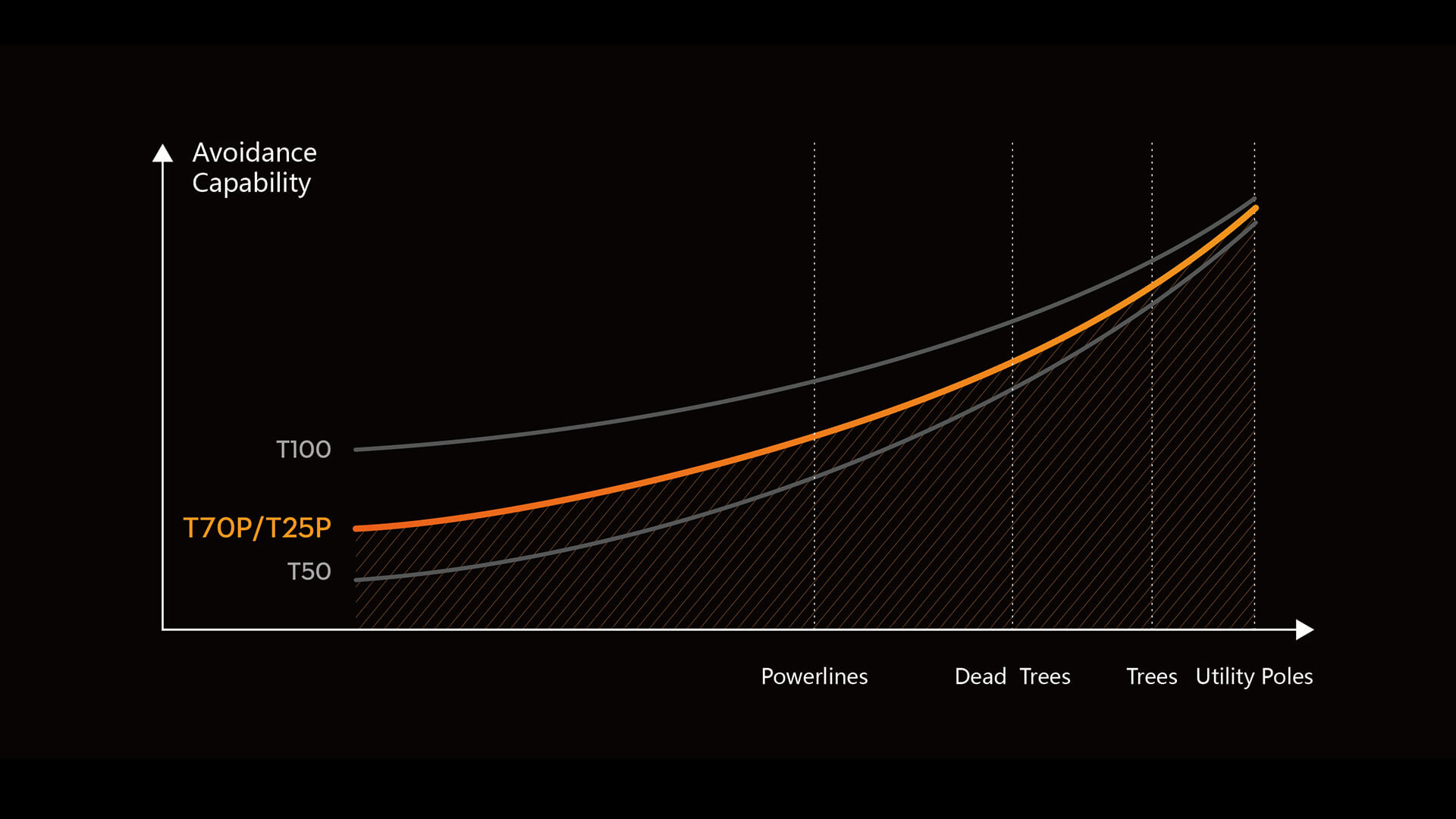
The T25P’s upgraded Safety System 3.0[2] features millimeter-wave radar, a 10x increase in avionics computing power[4], and a 60 m[8] tri-vision sensor system for enhanced Terrain Following and obstacle avoidance[4].
Obstacle Avoidance
Safety System 3.0[2] helps T25P detect poles and trees, allowing for confident obstacle avoidance. Low-reflective obstacles like guy wires should still be marked in pre-planning to ensure safer flights.
Virtual Gimbal
T25P introduces an industry-first virtual gimbal, utilizing a fisheye lens and electronic stabilization algorithms to achieve electronic anti-shake, resulting in smoother footage.
Night Vision Color FPV Camera
T25P is equipped with night vision color FPV camera and a 75-watt night navigation lights, allowing clear visibility of obstacles like poles and wires[9] in dim conditions. It offers a viewing distance of up to 25 m, illuminating your night flight path.
DJI RC Plus
Wide Screen, High Brightness, Easy Control
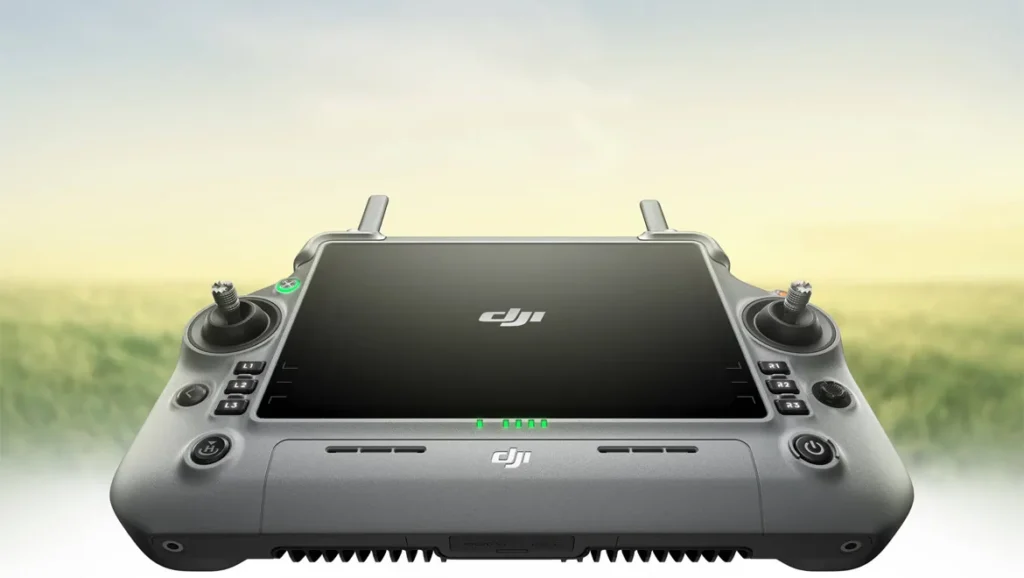
DJI RC Plus features a 7-inch high-brightness screen that is 16%[4] brighter for clear visibility under sunlight. Both internal and external battery life are extended by 30 minutes[4]. New backlit buttons enhance nighttime operation, and customizable physical buttons offer flexible control.
Multi Fields Operations
Efficiently plan multiple adjacent plots in a single go. Enabling continuous operations without interruptions (in fields or orchards).
Practical Features for Manual Mode
Simplify operations on complex small plots with practical tools like one-click plot saving and one-click return to breakpoints, ensuring efficient and stress-free workflows.
Free Flight Paths
Adapt effortlessly to diverse scenarios, including mixed crops, intercropping, and paddy fields. Achieve greater operational flexibility for more efficient workflows.
High Efficiency Mapping[24]
One Click Takeoff, Easy HD Map Generation
Field Mapping
Mapping 13.3 hectares[10] of fields in a single flight. Intelligently detect field and obstacle boundaries, enabling one-click takeoff and fully automatic operations. A super-resolution algorithm ensures clearer maps.
Orchard Mapping
Mapping 5.33 hectares[10] of orchards in a single flight. Supports Orchard Mode 4.0, enabling more features.
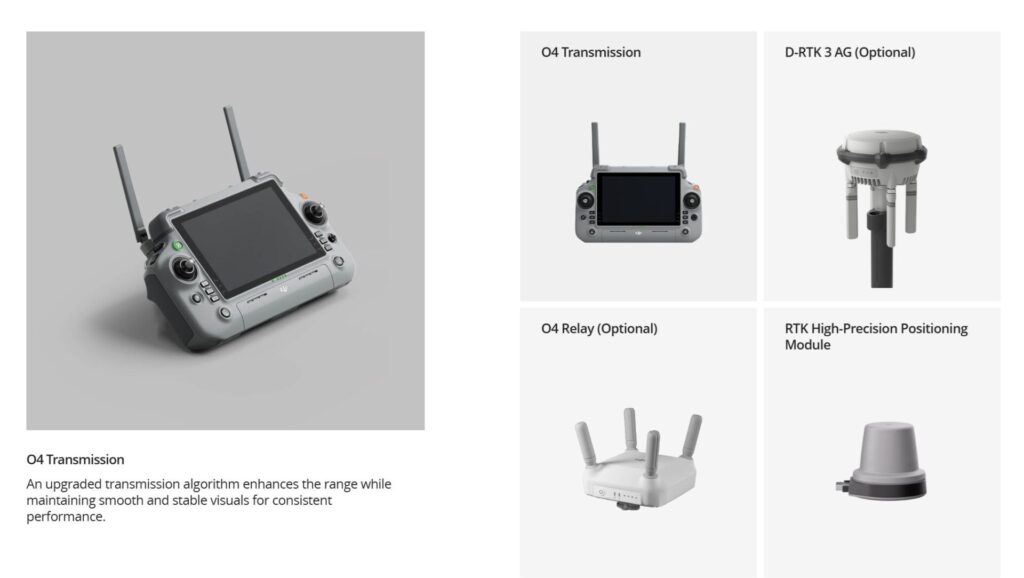
Transmission System
Seamless Signal Stability
The upgraded O4 video transmission algorithm ensures constant signal availability. O4 Relay it’s designed to excel in challenging signal conditions, delivering seamless and efficient operations
Power System
Ultra-Fast Charging, Energy-Efficient Design
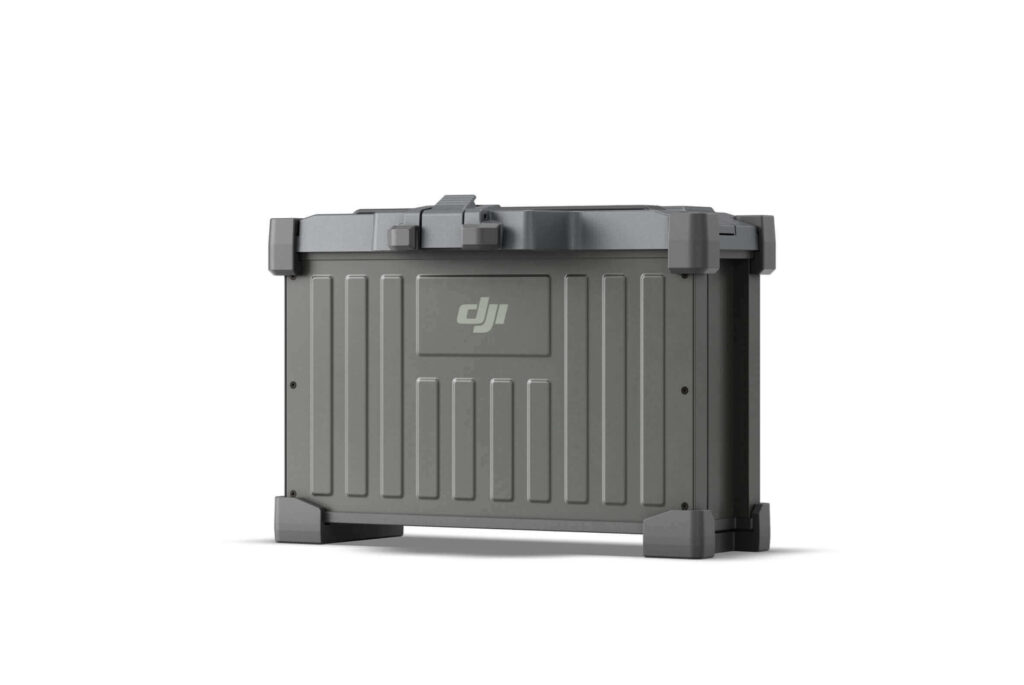
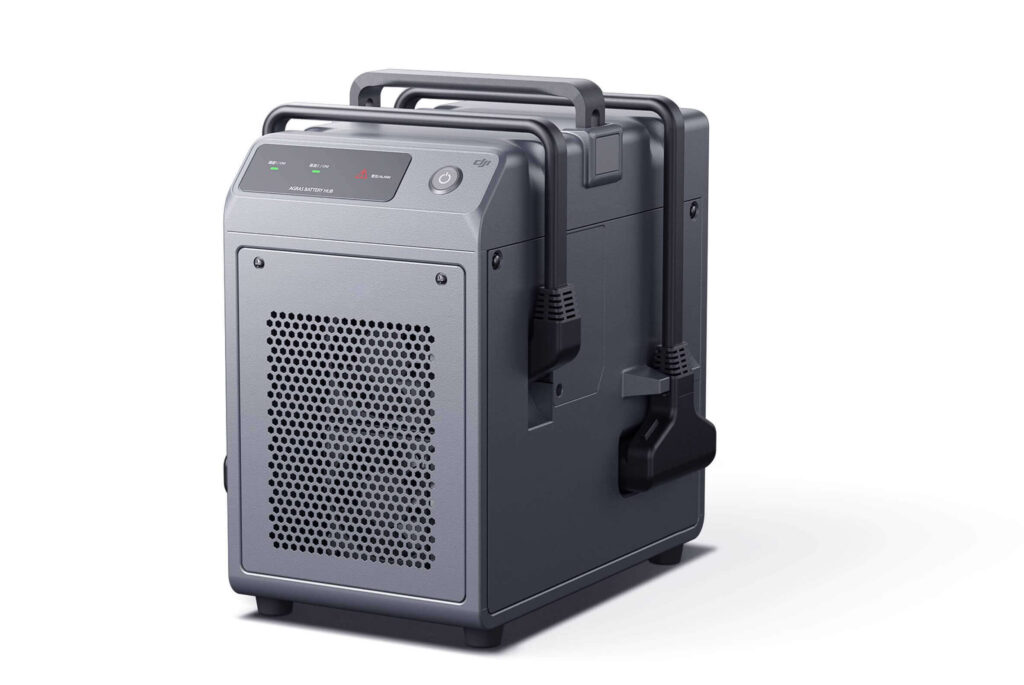
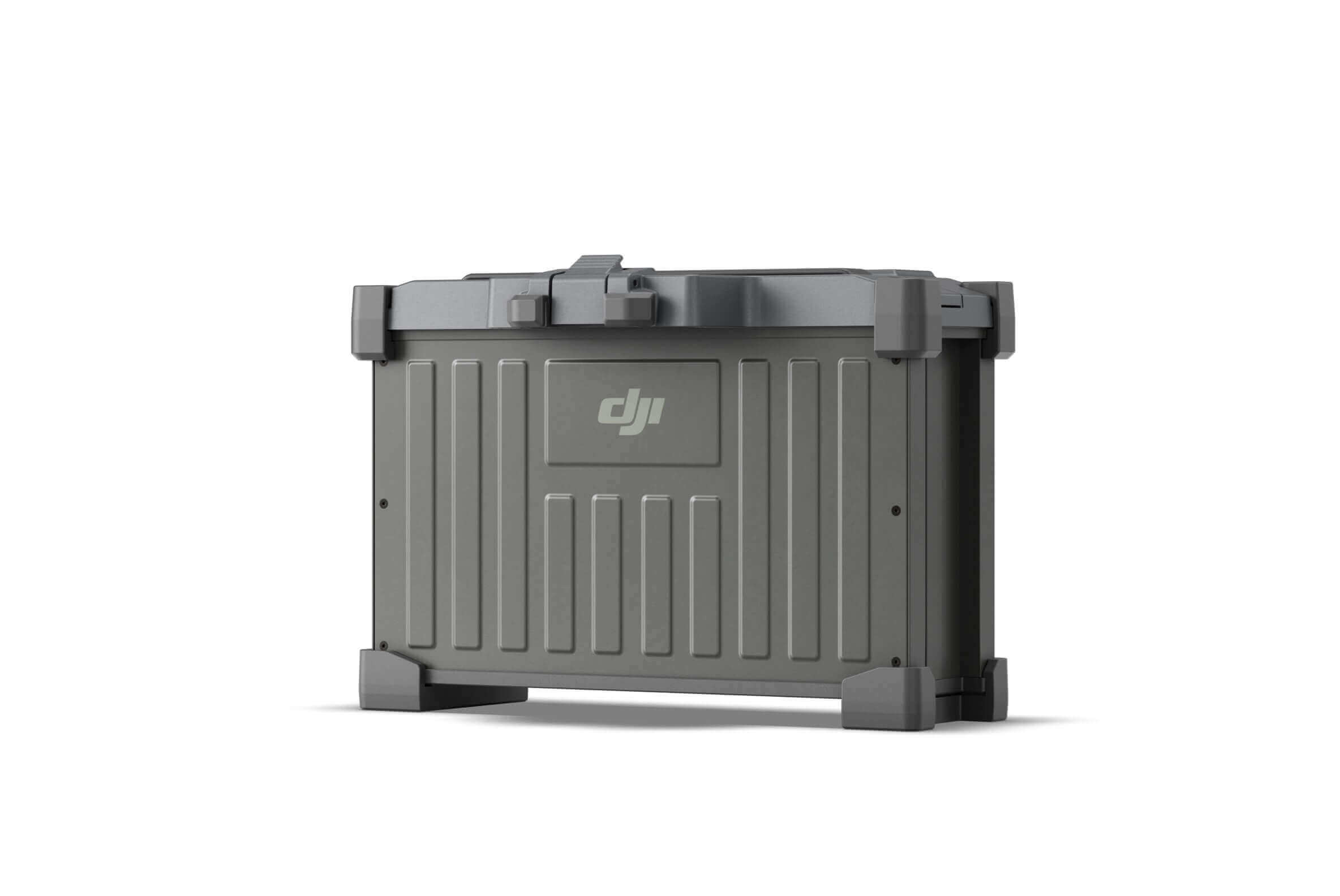
C8000 Intelligent Charger[12] support both utility power charging. Paired with the DB800 Intelligent Flight Battery, they enable ultra-fast charging.
DB800 Intelligent Flight Battery
Capacity: 15.5 Ah
Warranty: 1,500 charge cycles[13]
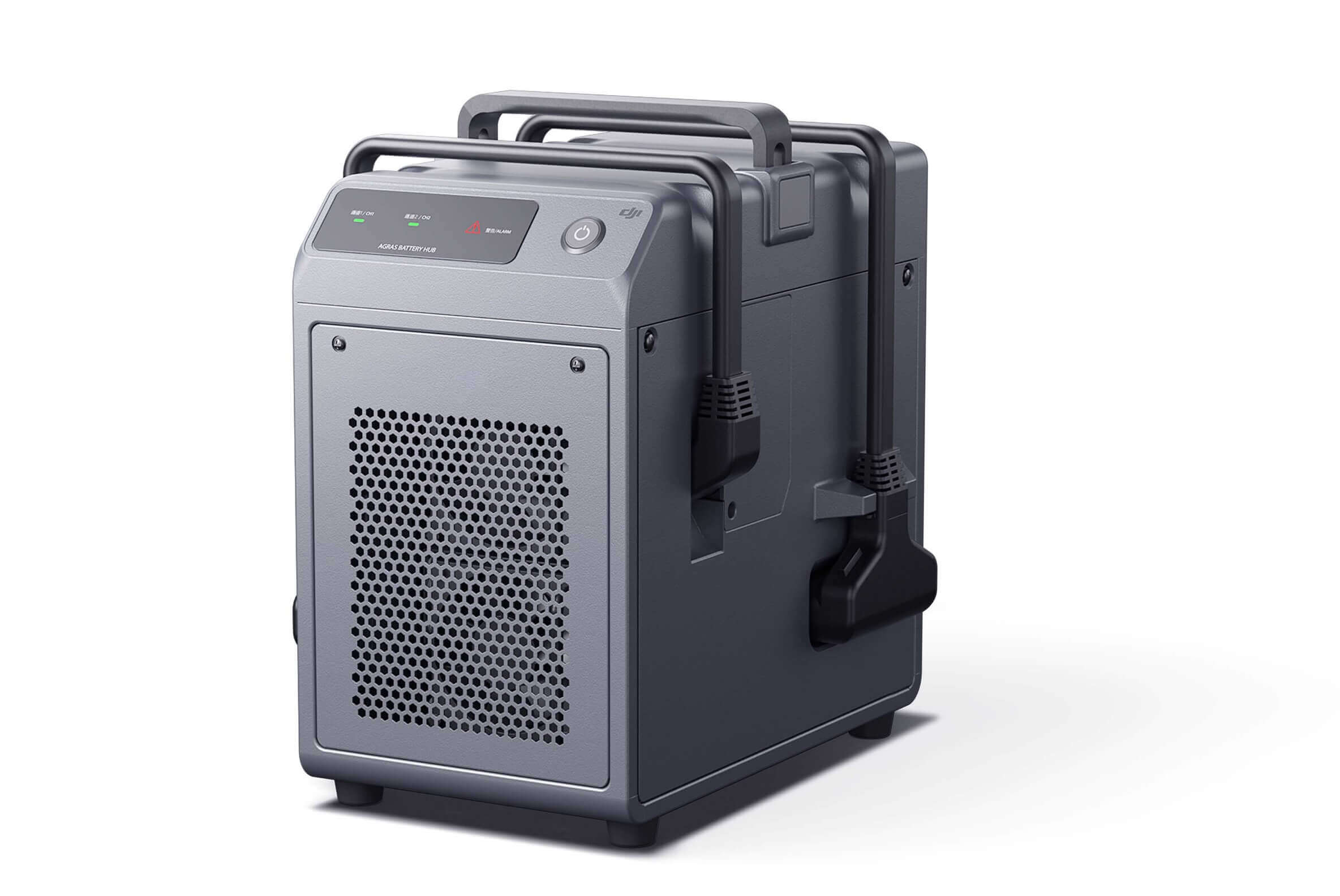
C8000 Intelligent Power Supply
7200 W fast charging[12]
Dual-channel alternation charging
Power-adaptive protection
Blog
Read before you decide
- Is a spraying drone worth it? A DJI AGRAS buying guide for Greek farmsHow to choose a spraying drone: which DJI AGRAS fits your field (T100, T70P, T55, T25P), how to work out the payback, what the law says in Greece and what to ask for in a quote.
- What is RTK in farming? Centimetre accuracy for drones and tractorsRTK gives centimetre accuracy to spraying drones and tractors with auto-steer. What it is, how it works, your own base or a network, and when it pays off.
- Tractor or spraying drone? When a drone makes senseTractor or drone for spraying? Cost per hectare, time, ground conditions and application quality compared, and when each option is the right one.
- How fast does a spraying drone pay for itself? A step-by-step calculationThe payback formula for a spraying drone, what goes into the investment and annual benefit, a calculation worksheet and the costs people usually forget.
Price & complete setup
What it costs and what you need to get working
DJI Agras T25P
€5,242 excl. VAT
Prices are as published on the product pages and may change. The final price is confirmed in the quote.
Ask us for the recommended configuration
How many batteries and which charger you need depends on your work. We don’t add up an automatic total: we will recommend a setup and send you a single quote.
Price: 5.242,00 €
GR VAT is not included.
For more information email us:
info@flydrops.gr
Detailed Specs
Notes
Notes (1-2)
[1] Data was measured at sea level. The DJI Agras app will recommend the payload weight according to the current status and surroundings of the aircraft. When adding materials, the maximum weight should not exceed the recommended value, otherwise flight safety may be compromised.
[2] Obstacle sensing and avoidance performance may vary depending on lighting, weather conditions, and obstacle characteristics. Downward sensing supports Terrain Following and altitude stabilization, while other sensors assist with obstacle avoidance.
Collisions involving the bottom of the aircraft or unmarked linear obstacles (such as wires or guy wires) are considered user responsibility. The aircraft cannot automatically avoid moving objects due to system limitations. In non-linear obstacle environments, collisions at speeds up to 10 m/s may be reviewed through flight log analysis, and warranty coverage may apply if non-human causes are confirmed.
Notes (3-8)
[3] Particle size range: 0.5-10 mm materials. Clumps, straw, woven bags, and impurities, as well as humidity, density, hardness, and shape, can affect spreading adaptability and precision.
[4] Compared to the Agras T25 drone and its supporting equipment. Test results may vary based on different testing conditions.
[5] Measured at an operating height of 3 meters with a spinning disc speed of 1,100 r/min and a uniformity requirement of CV < 30%. Higher disc speeds and flight altitudes increase the spreading width.
[6] Measured with compound fertilizer. The maximum flow rate may vary due to differences in granule size, density, and surface smoothness of different fertilizers.
[7] Measured with compound fertilizer. The maximum flow rate may vary due to differences in granule size, density, and surface smoothness of different fertilizers.
[8] The observation distance of Safety System 3.0 may vary due to environmental light, rain, fog, and the material, position, and shape of the target object.
Notes (9-18)
[9] Under good conditions, the stable observation distance for an 11 mm diameter white wire is 19 meters, and for a utility pole, it is 25 meters. Actual observation distance is affected by lens contamination, insects, spray droplets, fertilizers, and other floating objects. During night flights, users should mark obstacles or reduce flight speed based on actual visible distance to ensure flight safety.
[10] The mapping area refers to the area enclosed by the flight path. The area per flight is affected by firmware version, takeoff power, survey type, altitude, environmental wind speed, plot shape, slope, etc., and must be conducted without load.
[11] Measured at a flight altitude of 2.5 meters, without obstruction or electromagnetic interference.
[12] Output power may vary due to local grid conditions, such as distance, wire material, and wire diameter.
[13] Batteries are covered by warranty for up to 1,500 charging cycles or 12 months, whichever ends first.
[14] The output power of the charging station may be affected by altitude and fuel quality.
[15] The droplet diameter is measured by a laser particle size analyzer, with a 50-micron diameter using the DV50 standard.
[16] Measured by laser particle size analyzer, a 50-micron diameter using the DV75 standard.
[17] The effective spray width of the spraying system depends on the actual working scenario.
[18] Different granulars have different densities, the maximum load cannot exceed 100 kilograms.
Notes (19-24)
[19] A weight of 100 kg is measured below the triaxial force sensor (including the weight of the sling, and hook). Data was measured at sea level. The DJI Agras app will recommend the payload weight according to the current status and surroundings of the aircraft. When adding materials, the maximum weight should not exceed the recommended value, otherwise flight safety may be compromised. Users must comply with local regulations during operation.
[20] The rear radar is configured in accordance with the regulations of various countries, and the actual product is subject to the arrival.
[21] Different granulars have different densities, the maximum load cannot exceed 70 kg.
[22] A weight of 65 kg is measured below the triaxial force sensor (including the weight of the sling, and hook). Data was measured at sea level. The DJI Agras app will recommend the payload weight according to the current status and surroundings of the aircraft. When adding materials, the maximum weight should not exceed the recommended value, otherwise flight safety may be compromised. Users must comply with local regulations during operation.
[23] Different granulars have different densities, the maximum load cannot exceed 25 kilograms.
[24] Mapping operation needs to work with RTK.
Accessories & batteries
Compatible equipment for DJI Agras T25P
How it compares with the other models
See every current model side by side, or answer five questions for a suggestion.
In practice
Case studies with this technology
See also
DJI Agras spraying drones
Support
Why buy it from FLYDROPS
- Official dealerOfficial DJI Agriculture dealer, with an authorized reseller certificate.
- Genuine products & warranty1-year warranty on the drones you buy from us.
- Official service & spare partsOfficial DJI Agras service in Northern Greece and genuine spare parts.
- Training & deliveryFree two-day training (one day of theory, one of practice) and free delivery with every drone purchase.
- Technical supportThe same partner from choosing the equipment to the work in the field.
Official sources: DJI Agriculture (manufacturer)
Services that go with it: DJI Academy DJI Agras service & repair Field mapping RTK subscription
FAQ
Before you buy
What is the warranty for DJI Agras?
There is a 1-year warranty.
What is the delivery time?
Your order is delivered in 5 business days.
What are the payment methods?
Payment is made by bank deposit: 50% on order, the remaining 50% on delivery.
Can I see an Agras drone before ordering?
You can see the DJI Agras T100, T70P, T55 and T25P, as well as the Mavic 3 Multispectral, at the FLYDROPS base. A demonstration can also be arranged.
Is drone service available?
In case of malfunction, we can inspect and repair, or forward for repair, depending on the problem.
What is included with the purchase?
With every drone purchase: free two-day training (one day of theory, one day of practice) and free delivery.
Contact
Interested in the DJI Agras T25P?
Request a quote and we’ll reply with availability, pricing and financing options. With every purchase: free delivery and two-day training.